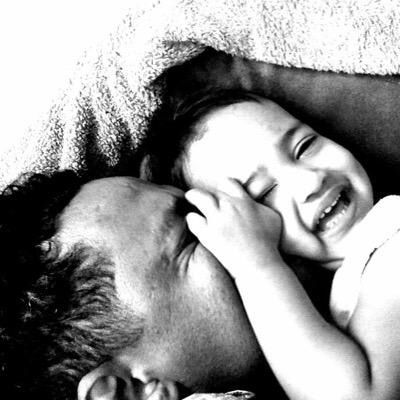
the tragicomedy of human existence
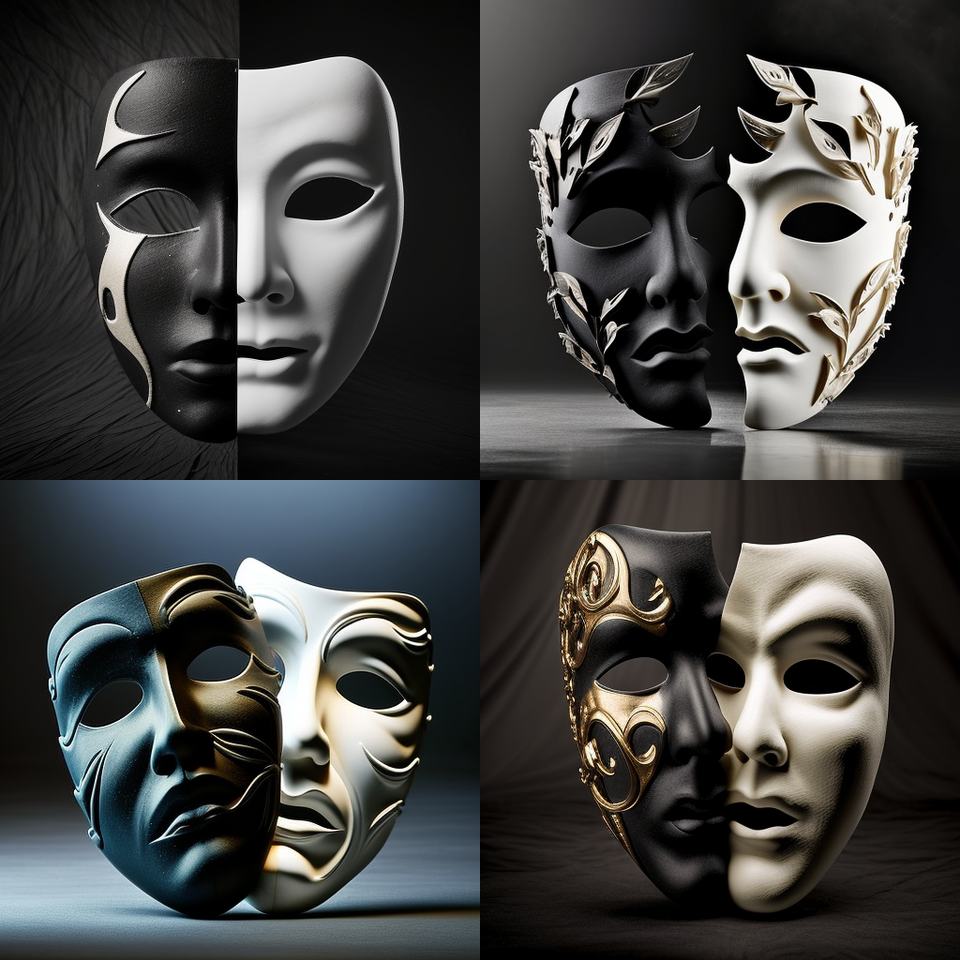
Melpomene
When I was thirteen years old, all the eighth-graders at my school were assigned to read The Song of Achilles by Madeline Miller. We were studying various mythologies; we had read parts of the Iliad, and my teacher thought the Song of Achilles was a good way to combine modern writing with ancient topics. She was right, and it continued to fuel my love of mythology.
Three years after I read it, a friend asked me about the book. “Oh, I read it a while ago,” I said mindlessly, scrolling on my computer..
“It was so sad, right?” she bemoaned. “I was sobbing so hard!”
I raised an eyebrow. I didn’t recall it being sad. Even before I read it for the first time, I knew how it was going to end–Patroclus, the main character of the novel, would die, and Achilles would go on a heartbroken rampage and then Paris would kill him. But it wasn’t even real. “I’ll reread it,” I told her.
It was all I talked about for weeks following. I couldn’t wrap my head around the ending–sure, I already knew that ultimately the main characters would die and never get to live the happy life they deserved. What I didn’t understand was why: why had Madeline Miller, why had Homer decided to make their ending tragic? And why did it make me so sad?
For a long time I struggled to wrap my head around the concept of a “sad ending.” I hardly even realized that was possible–I’d mostly been reading stories like Harry Potter, who (spoiler alert) wins against Voldemort in a final showdown. What I had ignored in the plot line was the fifth book, where Harry Potter’s newfound father figure, Sirius, dies, and the way it changed our beloved protagonist.
“I didn’t even realize how dark it was!” I exclaimed to my family after rereading the series. As my taste in books has expanded beyond the likes of Harry Potter and Percy Jackson–both of which, for the record, have happy endings with sad events ignored by my younger, innocent self throughout the series–I’ve learned that most stories do not have happy endings.
I’ve also learned why that is, and why so many authors, from Shakespeare to Suzanne Collins, write tragedies: most people’s lives suck.
That is, everyone’s life sucks, and people need ways to deal with it.
Thalia
The other day, my friend got pulled over by the police. It was her first day of driving; she was a bit frazzled, and slightly annoyed with me as I drove past her stopped car while laughing so hard I nearly veered off the road.
“I’m just glad I’m white,” she said during practice.
I smirked. “What’s that supposed to mean?”
“I’m just worried about what would have happened if I were a black kid who got pulled over,” she said. “I got off with not even a ticket.”
I coughed. “You were going fifteen over, how did you not get a ticket?”
She shrugged. “White privilege.”
“If it were me,” I said, pulling my cap off my head and sitting on the edge of the pool, “I for sure would’ve gotten shot.” I laughed again, even though it wasn’t funny.
My friend pointed this out to me. It was my turn to shrug. “If I don’t make a joke out of it, then I’m going to get scared, and I can’t live everyday being scared.”
Among Shakspeare’s comedies, you can see this common theme–tragedy hidden behind comedy, heartbreak behind laughter. Take Hamlet: quite literally marketed as “The Tragedy of Hamlet,” yet when I look up “Shakespeare’s comedies” on the internet, it is the second most popular result.
I find it interesting how humans have found ways of coping through traumatic events using humor.
In another instance, I was talking with my father about how when he was in high school, he stayed after school to participate in some clubs. “My mom asked where I was when I came home late,” he said, “and I told her I was doing some clubs.”
He began to mimic her voice. “‘Clubbing? You went clubbing?’ And then she beat me to a pulp with this massive stick thinking I was out hanging out at night clubs!”
He was laughing hard when he retold this story, and I chortled with him. I relayed the story to my mother over dinner. “Funny not funny” was the phrase she used to describe it.
Ancient greeks were fancy, though, so instead of just saying “funny not funny” in Greek–which is apparently αστεία όχι αστεία–they just had to create a couple of gods for it, named Thaila (comedy) and Melpomene (tragedy).
I guess I had always thought about the world as “funny not funny,” that every sad ending could be made light, that every tragic thing did in fact have a happy finale. I suppose I thought that Achilles and Patroclus got to live happily ever after, even though I knew they both died at the end. I suppose I thought Harry would see Sirius again, even though Sirius was never going to come back. I thought every story was like Hamlet, a tragic comedy–a tragicomedy, if you will.
I’ll likely never know why people write tragedies. Perhaps they want to write something people will connect to. I find a deeper connection in tragicomedies; I better relate to the “funny not funny” of Bojack Horseman or Fleabag. There is something comforting in the “We’re suffering too, but oh well, you just have to make the best out of it.” Because that’s what life is about, right? Making the best out of a shitty situation.
I’d rather do that with a bit of dopamine in me than cortisol, that’s for sure.