the many faces of quitting
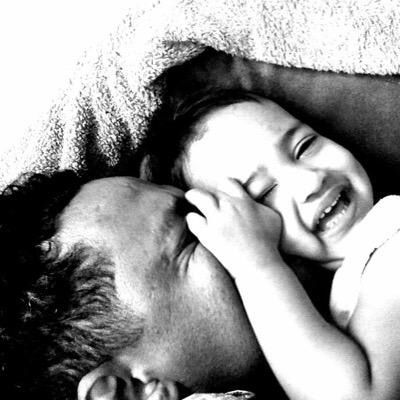
I dream that long after I’m dead, my girls will look back at their teenage years and yearn for the amazing pizza Dad made on the weekends. It’s a dream at constant war with reality.
It’s tricky to describe how frustrating it is to make a good pizza crust, especially because the ingredients—flour, yeast, salt, olive oil, water, and heat—are quite simple. The best explanation I can give is an echo from a recent failure:
“Arrrrgh! This tastes like shit! Fuck! Fuck! Fuck! Fuck it. I’m not doing this anymore.”
My little one peeps up over her right shoulder from the kitchen table and says, “Dad, quitting is okay, but giving up is absolutely not okay,” with brows arched and a dimple tugging at a taunting half-smile. I want to throw the entire pizza pie at her face.
Quitting is a curious thing.
Years ago, when I decided to abandon smoking, I assumed it would be quite simple but learned painfully that it was the beginning of a lengthy internal negotiation that convinced me I suffered from a dissociative identity disorder.
First came the existential debate about the relevant life expectancy number that made sense for me, discounting for life insurance. I always wanted to go out with a bang around 60. Having a family confused the matter.
It took a while, but once that debate was resolved, there came many others. I should get in physical shape first; I should address my sleep patterns to give me more self-control; I should improve my meditation technique, and then I’ll start quitting. After hundreds of pre-sleep resolutions and morning-after reappraisals and amendments, the debates eventually exhausted themselves. There was only one more thing left to do to get the whole experience out of my system: taking one last deep inhalation to expunge the demons for good, which of course, needed to be repeated over three years for certainty. Turns out, some endings require many iterations of quitting and rabid persuasion. They’ve even made drugs to help you win arguments against yourself.
If some quitting is deafening internal warfare, there’s another that quietly worms its way into you. It shows up disguised in your behaviors first. You’re more tired than you’ve typically been, even though your workload hasn’t changed. You’re often distracted, and the daydreams grow longer. You’re irritable and argumentative. Eventually, the irritability turns into hushed murmurs of ‘Why am I here’ and ‘Why am I doing this.’ It may get so bad that your pet parrot begins broadcasting your lamentations. The experts advising companies about employees in this state of mind call it quiet-quitting. This is how I left McKinsey & Company, my first job out of college, more than a decade ago. It didn’t occur to me until much later, but I’d quit a full two years before I resigned. It’s a peculiar type of ending, like an animal buried alive under calm ground, clawing for life until one day it bursts through the dirt, desperate for air and sun.
The type that cuts the sharpest and deepest is when others quit you. An employer. A sibling. A spouse. A friend. The tomes that have been written on this are endless. It has put food on the table of therapists, psychiatrists, and life coaches worldwide. It can turn into a chronic wound. A persistent scab, often concealed and difficult to avoid scratching, but gushes blood when it is. My scab is my father. A man I’ve never met. Someone I’ve spoken to once for no more than fifteen minutes yet have spent thirty years working to forget. Still, this type of quitting, cultivated properly, is a remarkable crucible for forming and shaping spectacular mental shields and armaments.
And then there’s the kind of ending that’s final. When time eventually runs out, it is the hardest and the easiest all at once. It might happen suddenly or you might have the gift of preparing with your loved ones. In any case, this type is truly best left to fate. I often think about my friend Andrew, who took his life. And those thoughts distort and warp into a mirror. As I stare at the shadows with bleary eyes, I remind myself it’s okay to quit but not to give up.
Many months ago, my little one came to me wanting to quit an extracurricular activity she didn’t want to do anymore. I asked her why. She said she was worried about what it would mean for her future if she stopped. She also didn’t want to disappoint us. After a long discussion, where it became clear to her that it was entirely okay for her to stop, which contrasted with what she's willing to endure for her love of swimming, we concluded our conversation by agreeing that “it's always okay to quit, but not okay to give up.”
With that adage thrown back at me as a reminder, the attempts at becoming the Best Pizza Dad continues with relentless dedication. My firstborn’s contribution to the cause: she asked if I could make the pizza less greasy.
Need Support Now?
If you or someone you know is struggling or in crisis, help is available. Call or text 988 or chat 988lifeline.org